PRE-PROFESSIONAL DIVISION
PRE-PROFESSIONAL DIVISION
Ages 8-18
The Pre-Professional Division at Delaware Dance Company is designed for dancers ages 8 and up who are ready for focused, disciplined training and a deeper commitment to their technical and artistic development. Placement is based on ability, experience, maturity, and readiness, rather than age alone.
Training in this division is rooted in classical ballet, with additional instruction in complementary dance styles. As dancers progress, expectations increase in both technical focus and personal responsibility. Classes emphasize proper technique, alignment, strength, musicality, artistry, and performance quality while fostering consistent work habits, confidence, focus, and independence.
The Pre-Professional Division serves as a bridge between foundational training and advanced performance pathways, including opportunities to participate in DDC’s performing groups.
-
Pre-Professional dancers follow a graded curriculum, ensuring that all students at a given level are working toward shared technical goals. Training typically includes ballet as the core discipline, with additional classes in styles such as modern, jazz, conditioning, and pointe as appropriate for the dancer’s level.
Faculty guidance and level placement are central to ensuring dancers are challenged, supported, and progressing safely.
-
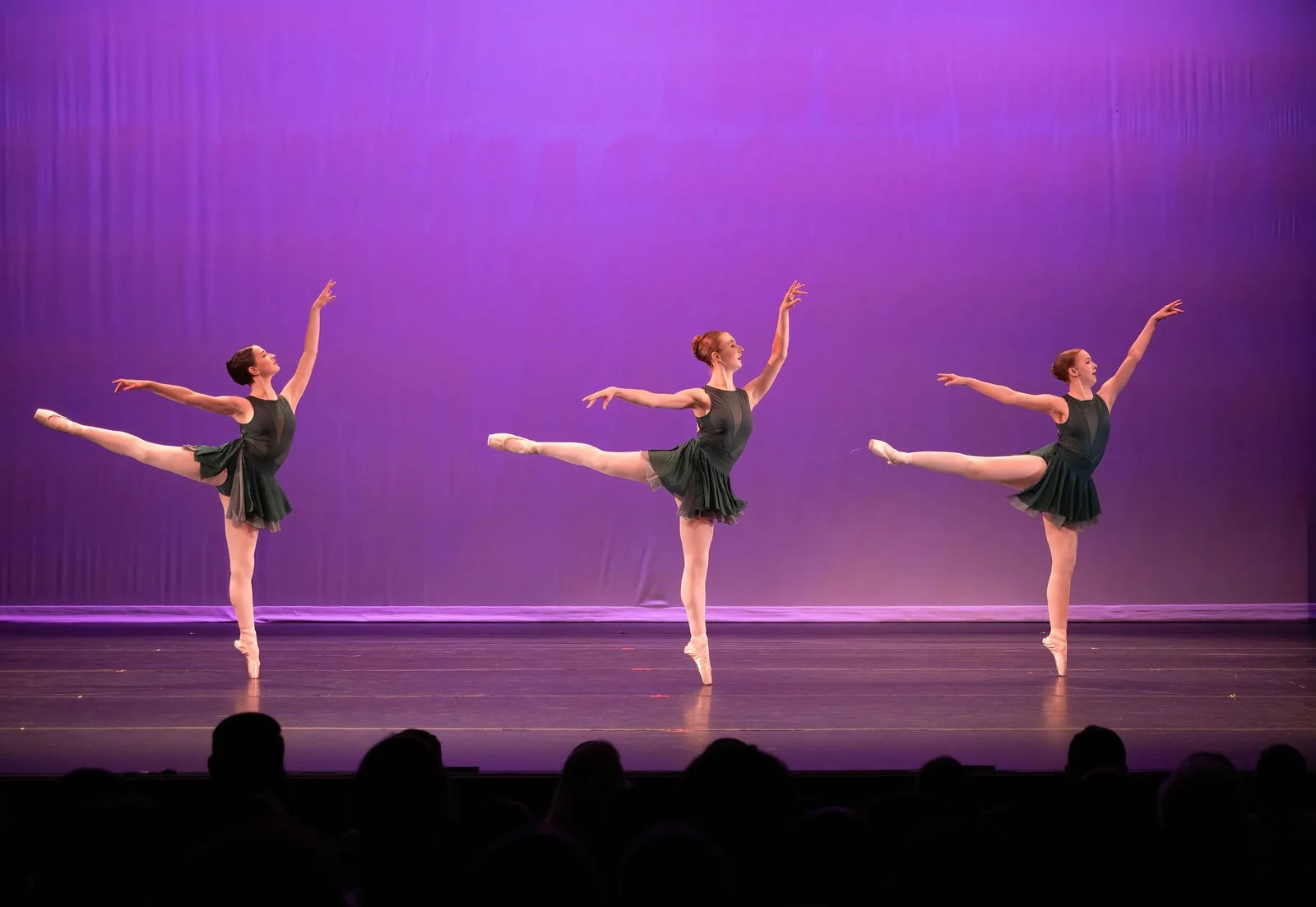
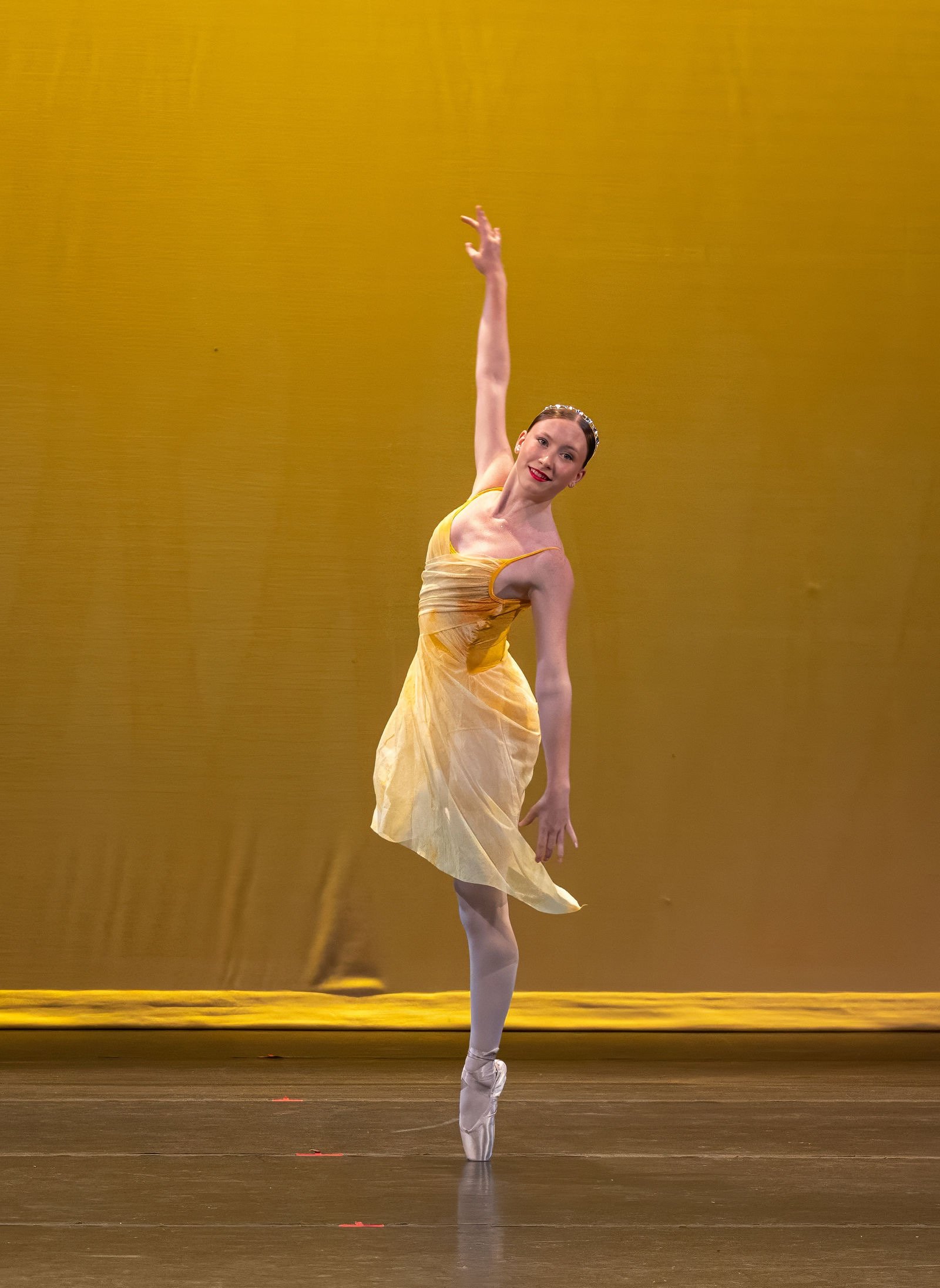
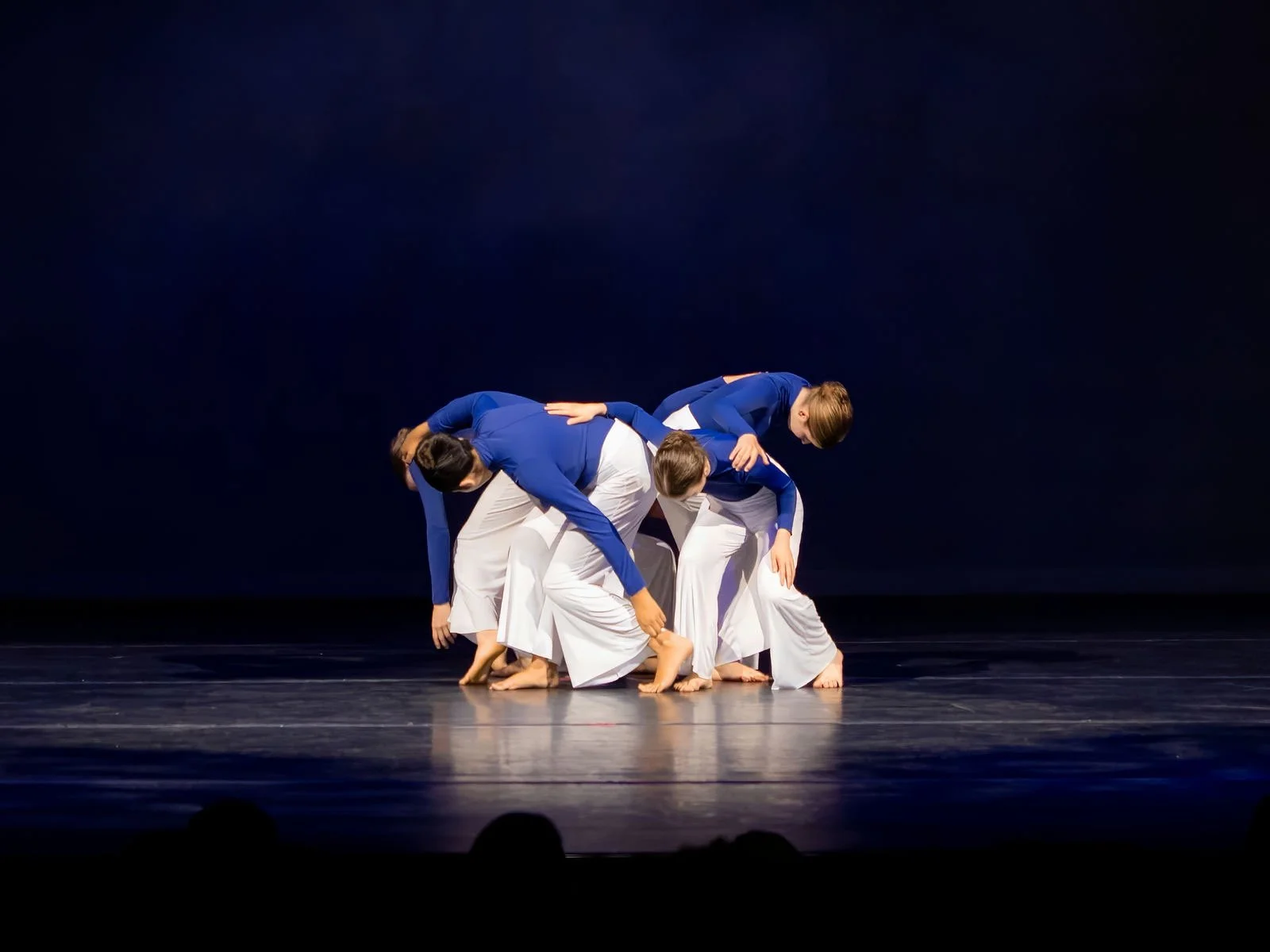
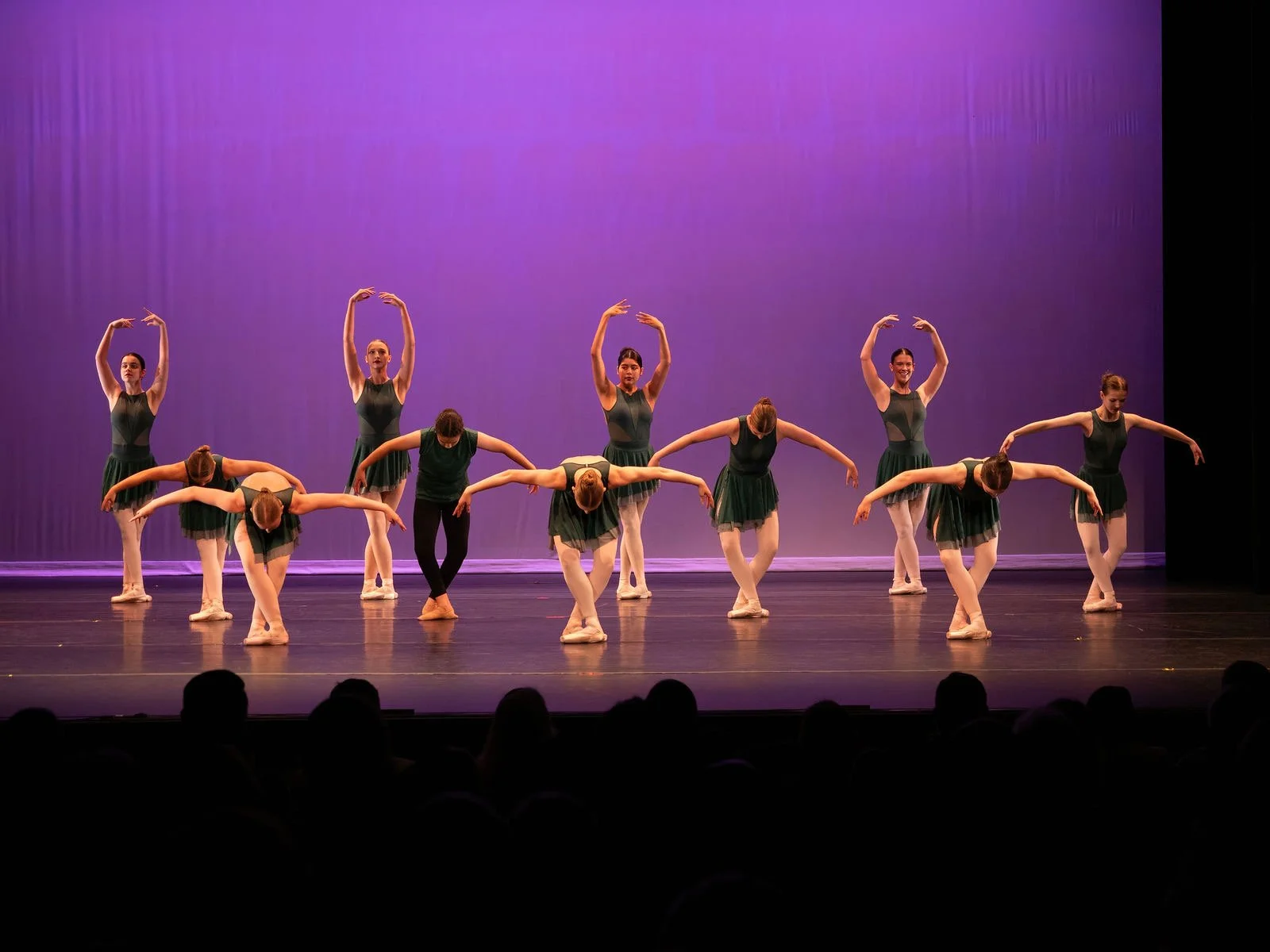
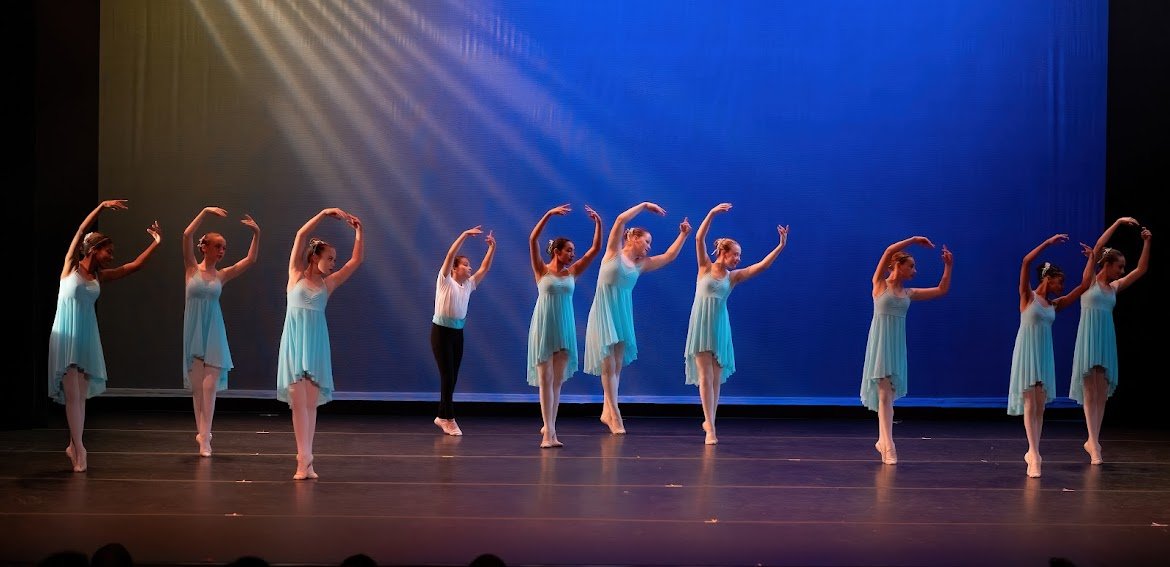
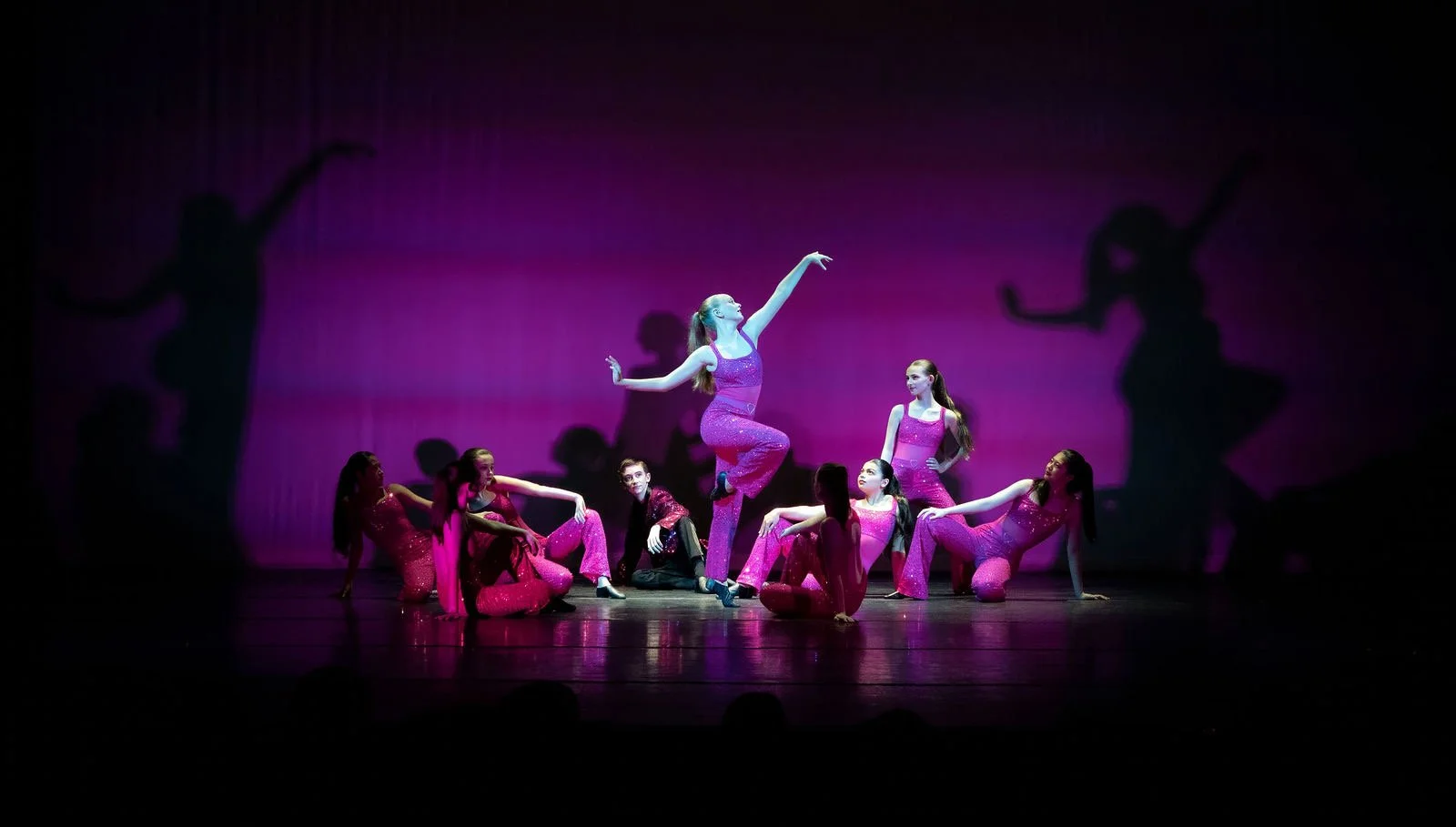
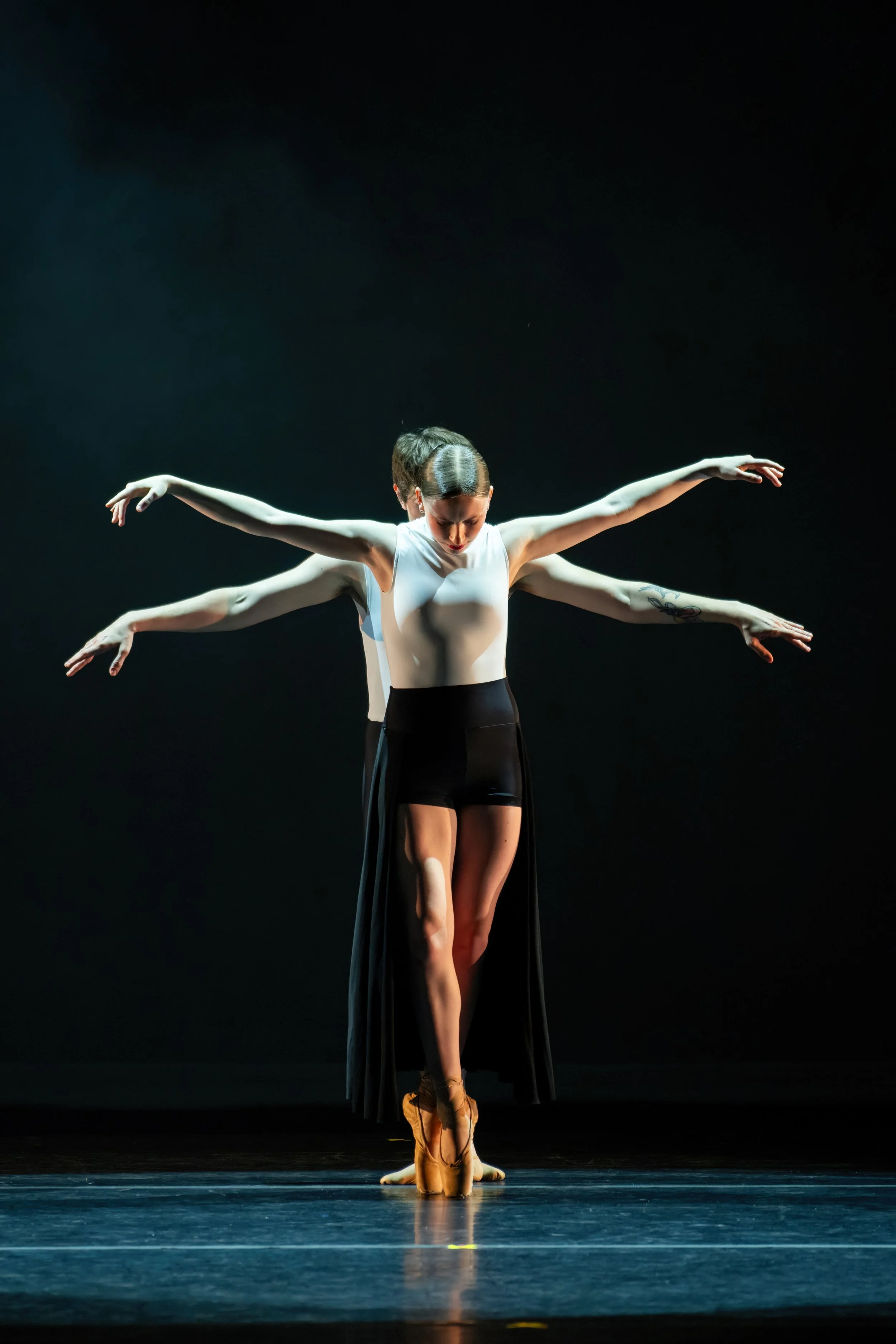
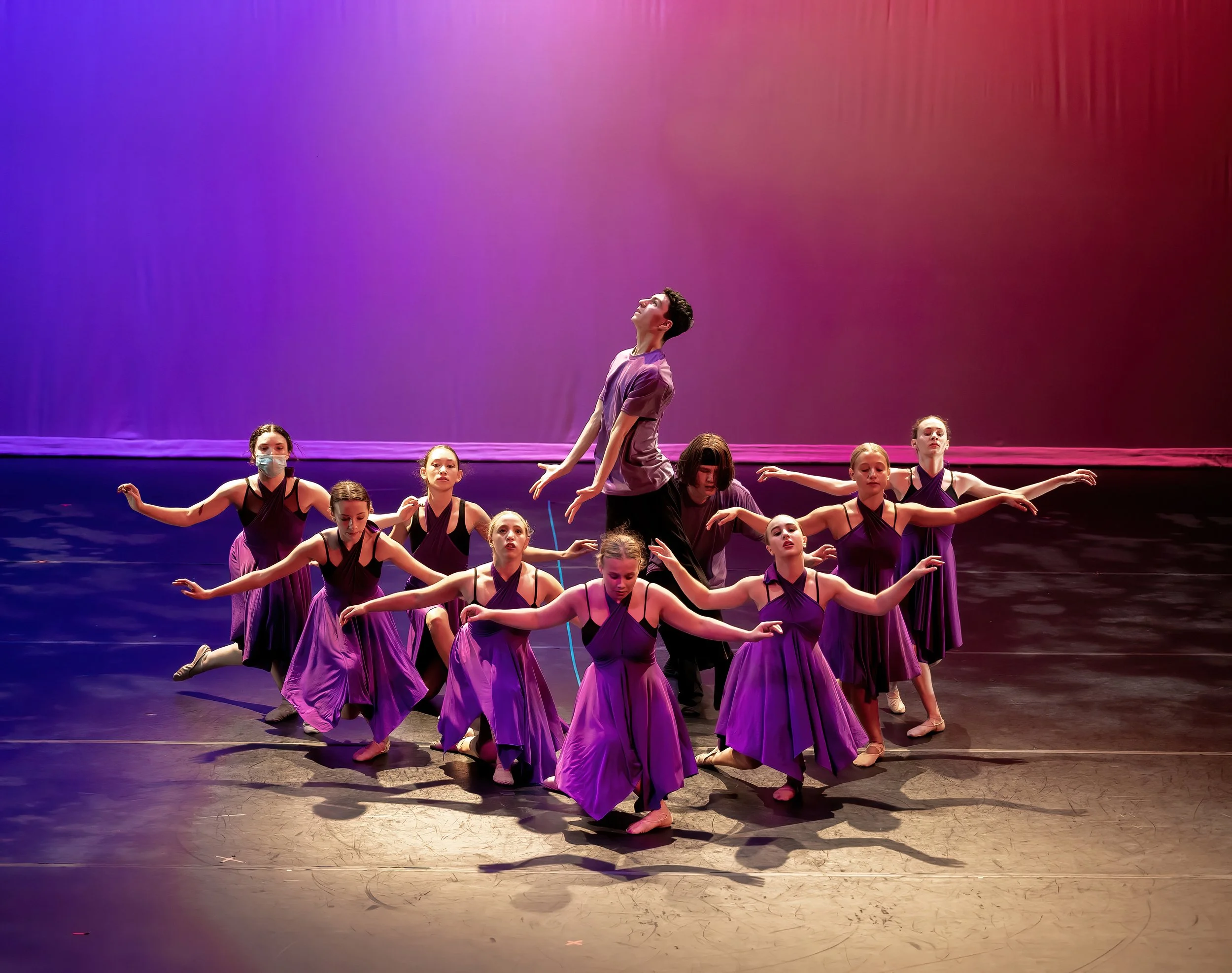
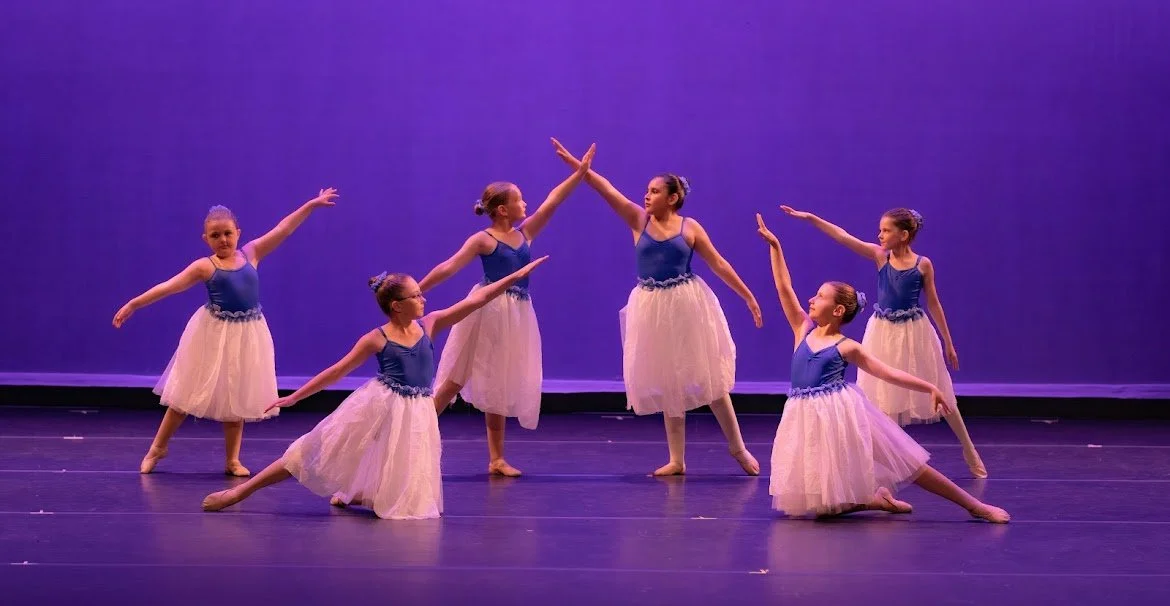
Dancers in the Pre-Professional Division have opportunities to perform throughout the year in school showcases and productions. Performance experiences are designed to support technical growth, stage confidence, and artistic development.
For dancers seeking additional performance and leadership opportunities, participation in DDC’s Youth Dance Ensemble or Performing Company may be available through audition and faculty recommendation.
CLASS SCHEDULE
MONDAYS
4:45–6:00 pm – Modern Intermediate B
4:45–6:00 pm – Modern Intermediate C
5:00–6:15 pm – Ballet 2
6:00-7:15 pm – Ballet 1
6:00-7:00 pm – Jazz Int A/B
6:15–7:00 pm – Ballet 2 Pre-Pointe
6:15–7:00 pm – Progressing Ballet Technique (PBT)
7:00-8:00 pm – Jazz Beg. B/C
7:00–9:00 pm – Ballet 3 (with Pointe)
7:00–9:00 pm – Level 4 Ballet (with Pointe)
7:00–9:00 pm – Level 4X Ballet (with Pointe)
7:00–9:00 pm – Level 5+ Ballet
TUESDAYS
4:45–5:45 pm – Jazz Intermediate C
4:45–5:45 pm – Jazz Advanced A
4:45–6:00 pm – Ballet 1X
4:45-6:00 pm – Ballet 2
5:00–6:00 pm – Tap Intro
6:00-7:00 pm Tap Intermediate A/B/C
5:45–7:00 pm – Jazz Advanced B
5:45–7:00 pm – Jazz Advanced C
7:00–9:00 pm – Ballet 3 (with Pointe)
7:00–9:00 pm – Ballet 3X (with Pointe)
7:00–9:00 pm – Level 5+ Ballet (with Pointe)
WEDNESDAYS
4:45-5:45 pm - Modern Intermediate A
5:00–7:00 pm – Ballet 2X (with Pointe)
5:00–6:00 pm – Hip Hop Intermediate A
5:30–6:45 pm – Ballet 1
7:00–8:00 pm – Modern Beginning B
7:00–8:00 pm – Modern Beginning C
7:00–9:00 pm – Ballet 3X (with Pointe)
THURSDAYS
4:30- 5:”45 - Boys Tech 2
5:00 - 6:00 Tap Beginning B
5:00 - 6:00 Tap Beginning C
5:45-7:00 pm - Ballet 1X
5:45–7:00 pm – Modern Advanced A
5:45–7:00 pm – Modern Advanced B
5:45–7:00 pm – Modern Advanced C
7:00–9:00 pm – Level 4 Ballet (with Pointe)
7:00–9:00 pm – Level 4X Ballet (with Pointe)
7:00–9:00 pm – Level 5+ Ballet (with Pointe)
FRIDAYS
4:45–6:00 pm – Ballet 2X (Ballet only)
4:45–5:45 pm – Tap Advanced A/B/C
5:00-6:00 pm - Hip Hop Beginning B
5:00-6:00 pm - Hip Hop Beginning C
6:00-7:00 pm - Hip Hop Intermediate A
6:00–8:00 pm – Level 4X-ADV Variations
SATURDAYS
9:30–10:30 am – Modern Introduction
9:30–10:30 am – Modern Beginning A
10:30–11:45 am – Ballet 1
10:30–11:45 am – Ballet 1X
11:45–12:30 pm – Progressing Ballet Technique (PBT)
11:45–12:45 pm – Jazz Introduction
11:45–12:45 pm – Jazz Beginning A
CLASS DESCRIPTIONS
-
The Delaware Dance Company Pre-Professional Division accepts students beginning at eight years of age. The graduated curriculum is divided into levels of achievement. Students follow a carefully structured sequence of training stages, designed specifically to increase their technical skills, stamina and discipline per their age and physical ability. Ballet classes are 1.25 hours and pointe class is an additional 0.75 hour.
BALLET 1
Ages: 8–12
Requirements: 1 ballet class per week
Focus: Introduction to classical ballet technique, alignment, coordination, and classroom discipline.BALLET 1X
Ages: 9–12
Requirements: 2 ballet classes per week
Focus: Strengthening foundational technique, musicality, and consistency in preparation for more advanced training.BALLET 2
Ages: 10–12
Requirements: 2 ballet classes + 1 pre-pointe class per week
Recommendations: Add one modern or jazz class per week
Focus: Technical development, strength building, and preparation for pointe work.BALLET 2X
Ages: 11 & up
Requirements: 2 ballet classes + 1 pointe class per week
Recommendations: Continue modern or jazz once per week
Focus: Introduction to pointe work and continued technical refinement.BALLET 3
Ages: 12 & up
Requirements:
• 2 ballet classes
• 2 pointe classes
• 1 PBT (conditioning) class
• 1 modern or jazz class per week
Focus: Technical refinement, stamina, artistry, and increased pointe work.BALLET 3X
Ages: 13 & up
Requirements:
• 3 ballet classes
• 2 pointe classes
• 1 PBT class
• 1 modern or jazz class per week
Focus: Accelerated training for advanced students demonstrating strong technical readiness.BALLET 4 & ABOVE
Ages: 14 & up
Requirements:
• 3 ballet classes
• 3 pointe classes
• 1 PBT class
• 1 modern or jazz class per week
Focus: Advanced pre-professional training emphasizing technique, artistry, and performance readiness. Partnering and variations are included at upper levels. -
Progressing Ballet Technique (PBT), developed by Marie Walton-Mahon, is a conditioning and strengthening program that uses muscle memory to improve core stability, alignment, weight placement, and overall ballet technique. Taught by a certified PBT instructor, this class supports dancers in achieving greater technical efficiency and control.
Ages: 10 & up
Requirements:
• Required for students in Ballet Level 3 and above
• Strongly encouraged for students in Ballet Levels 2 and 2X
Class Notes:
• Students must bring a large exercise ball to each class
• Pinky balls and exercise bands are available for purchase
• Class length: 0.75 hours -
The Modern Division introduces students to modern dance through movement exploration, body awareness, musicality, and choreographic fundamentals. Classes emphasize use of space, time, and energy while encouraging creativity, self-expression, and appreciation of others. Modern training supports versatility and complements classical ballet study.
MODERN: INTRODUCTION
Ages: 8–12
Requirements: Enrollment in Ballet 1
Focus: Introduction to modern movement concepts, body awareness, and basic choreographic skills.MODERN BEGINNING A
Ages: 9–12
Requirements: Completion of Introduction, placement, or enrollment in Ballet 2
Focus: Expanding movement vocabulary and rhythmic awareness.MODERN BEGINNING B
Ages: 10 & up
Requirements: Completion of Beginning A, placement, or enrollment in Ballet 2X
Focus: Increased coordination, strength, and expressive movement.MODERN BEGINNING C
Ages: 11 & up
Requirements: Completion of Beginning B, placement, or enrollment in Ballet 3
Focus: Developing clarity, musical interpretation, and movement quality.MODERN INTERMEDIATE A
Ages: 12 & up
Requirements: Completion of Beginning C, placement, or enrollment in Ballet 3X
Focus: Intermediate modern technique and choreographic exploration.MODERN INTERMEDIATE B
Ages: 12 & up
Requirements: Completion of Intermediate A or placement
Focus: Increased technical complexity, stamina, and artistic intent.MODERN INTERMEDIATE C
Ages: 13 & up
Requirements: Completion of Intermediate B or placement
Focus: Advanced intermediate technique and performance readiness.MODERN ADVANCED LEVELS (A, B, C)
Ages: By placement
Requirements: Progressive completion of prior advanced level or faculty placement
Focus: Advanced modern technique, artistry, and choreographic depth in preparation for pre-professional performance opportunities. -
The Jazz Division is grounded in strong technical training while honoring the rich history and evolution of jazz dance. Students develop flexibility, strength, clean lines, coordination, turns, jumps, and musicality, while learning to quickly and clearly translate movement from mind to body. Training balances foundational jazz principles with contemporary styles in a disciplined, consistent format.
Ballet Co-Requirement:
Beginning at the Jazz Beginning A level, students must be enrolled in ballet in order to continue jazz training within the Pre-Professional Division.JAZZ: INTRODUCTION
Ages: 7–10 (Entering 2nd grade or higher)
Requirements: None
Focus: Introduction to basic jazz movement, rhythm, coordination, and classroom structure. No prior experience required.JAZZ BEGINNING A
Ages: 8–12
Requirements: Completion of Introduction, placement, or enrollment in Ballet 1X
Focus: Building foundational jazz technique, musicality, and coordination.JAZZ BEGINNING B
Ages: 9 & up
Requirements: Completion of Beginning A, placement, or enrollment in Ballet 2
Focus: Increased strength, clarity of movement, and technical consistency.JAZZ BEGINNING C
Ages: 10 & up
Requirements: Completion of Beginning B, placement, or enrollment in Ballet 2X
Focus: Developing clean lines, dynamic movement quality, and performance skills.JAZZ INTERMEDIATE A
Ages: 11 & up
Requirements: Completion of Beginning C, placement, or enrollment in Ballet 3
Focus: Intermediate jazz technique with increased speed, complexity, and stamina.JAZZ INTERMEDIATE B
Ages: 12 & up
Requirements: Completion of Intermediate A, placement, or enrollment in Ballet 3X
Focus: Greater technical control, musical phrasing, and stylistic range.JAZZ INTERMEDIATE C
Ages: 13 & up
Requirements: Completion of Intermediate B or placement
Focus: Advanced intermediate training emphasizing precision, strength, and performance readiness.JAZZ ADVANCED LEVELS (A, B, C)
Ages: By placement
Requirements: Progressive completion of prior advanced level or faculty placement
Focus: Advanced jazz technique integrating athleticism, artistry, and contemporary styles in preparation for pre-professional performance opportunities. -
Tap dance is an African-American art form rooted in musicality, rhythm, and swing. The Tap Division follows a comprehensive, leveled curriculum that builds technical clarity, rhythmic accuracy, improvisation skills, and knowledge of traditional repertoire. Age-appropriate music theory and tap history are introduced and reinforced at every level.
TAP: INTRODUCTION
Ages: 6–8 (Entering 1st grade or higher)
Requirements: None
Focus: Introduction to basic tap steps, rhythm, coordination, and musical awareness. No prior experience required.TAP BEGINNING A
Ages: 7–9
Requirements: Completion of Tap Introduction or placement
Focus: Development of foundational tap vocabulary, timing, and rhythmic accuracy.TAP BEGINNING B
Ages: 8–10
Requirements: Completion of Tap Beginning A or placement
Focus: Expanded rhythmic patterns, clarity of sound, and coordination.TAP BEGINNING C
Ages: 9–11
Requirements: Completion of Tap Beginning B or placement
Focus: Increased speed, complexity, and introduction to structured improvisation.TAP INTERMEDIATE A
Ages: 10 & up
Requirements: Completion of Tap Beginning C or placement
Focus: Intermediate tap technique emphasizing musical phrasing, stamina, and clean execution.TAP INTERMEDIATE B
Ages: 11 & up
Requirements: Completion of Tap Intermediate A or placement
Focus: Advanced rhythmic structures, coordination, and performance quality.TAP INTERMEDIATE C
Ages: 12 & up
Requirements: Completion of Tap Intermediate B or placement
Focus: Strong technical control, musical interpretation, and historical repertoire.TAP ADVANCED LEVELS (A, B, C)
Ages: By placement
Requirements: Progressive completion of prior advanced level or faculty placement
Focus: Advanced tap technique, improvisation, musical sophistication, and repertory study in preparation for pre-professional performance opportunities. -
Hip Hop – Pre-Professional Division
Hip Hop evolved from street dance styles performed to hip hop music. Classes are high-energy and rhythm-driven, incorporating jumps, drops, isolations, and athletic movement while developing coordination, musicality, and performance confidence.
HIP HOP: INTRODUCTION
Ages: 6–9
Requirements: None
Focus: Introduction to basic hip hop movement, rhythm, coordination, and classroom structure.HIP HOP BEGINNING A
Ages: 6–9
Requirements: Completion of Hip Hop Introduction or placement
Focus: Building foundational hip hop technique, grooves, and musical timing.HIP HOP BEGINNING B
Ages: 8–10
Requirements: Completion of Hip Hop Beginning A or placement
Focus: Increased coordination, athletic movement, and stylistic clarity.HIP HOP BEGINNING C
Ages: 9–11
Requirements: Completion of Hip Hop Beginning B or placement
Focus: Developing stamina, performance quality, and more complex movement patterns.HIP HOP INTERMEDIATE A
Ages: 9–13
Requirements: Completion of Hip Hop Beginning C or placement
Focus: Intermediate hip hop technique emphasizing musicality, speed, precision, and dynamic movement.
Pre-Professional Division Dress Code
General Guidelines
All girls should wear tights that compliment their skin tone and match their ballet shoes
Ballet uniform colors supersede all other uniforms
Students do not need to change uniforms for back-to-back classes
Jazz students must wear black jazz shoes and jazz pants or leggings over their ballet tights in Jazz class.
For performances, dancers should wear microfiber tights in a tone that complements their skin and matches their shoes
Hair Requirements
Ballet:
Girls: hair in a neat bun
Boys: hair secured and pulled back from the face
All other classes: hair neatly pulled back from the face
-
Ballet 1 & 1X
Navy leotard
Pink or skin-tone leather ballet shoes
Ballet 2 & 2X
Red leotard
Pink or skin-tone split-sole canvas ballet shoes
Ballet 3 & 3X
Burgundy leotard
Pink or skin-tone split-sole canvas ballet shoes
Ballet 4 through Advanced
Teal or black plain leotard
Pink or skin-tone split-sole canvas ballet shoes
Boys
White t-shirt
Black tights
Dance belt
White socks covering the ankle
White ballet shoes
-
Girls: black leotard, black convertible or footless tights, barefoot
Boys: white t-shirt, black footless tights, dance belt, barefoot
-
Girls: black leotard, black tights or jazz pants
Boys: white t-shirt, black tights, dance belt
Black jazz shoes
-
Comfortable clothing that allows free movement
Black Oxford-style tap shoes
-
Comfortable clothing that allows free movement
Sneakers dedicated for dance use only
TUITION & POLICIES
Tuition at Delaware Dance Company is structured to provide consistent, high-quality instruction while supporting families throughout the season.
DDC charges an annual registration fee of $40 for families with one dancer, $65 for two dancers, and an additional $15 for each third and fourth dancer.
Tuition is based on a 34-class dance year and is billed in 10 monthly installments, with one payment due at registration and remaining payments billed monthly from September through May.
Tuition is calculated by the total number of class hours enrolled per week for all children in a family.
Parents are not included in family hours but receive 25% off tuition for any classes in which they enroll. Parents may also purchase a Class Card for 10 hours of dance for $150.
Delaware Dance Company understands that financial circumstances vary. Financial Assistance is available for families with demonstrated need, and families are encouraged to contact the office with questions or concerns.
Pre Professional Division Performance Opportunities
Performance is an essential part of a dancer’s artistic development. It builds confidence, discipline, stage presence, and the ability to work collaboratively toward a shared goal. In the Pre-Professional Division, students are given meaningful opportunities to apply their training in a performance setting throughout the season.
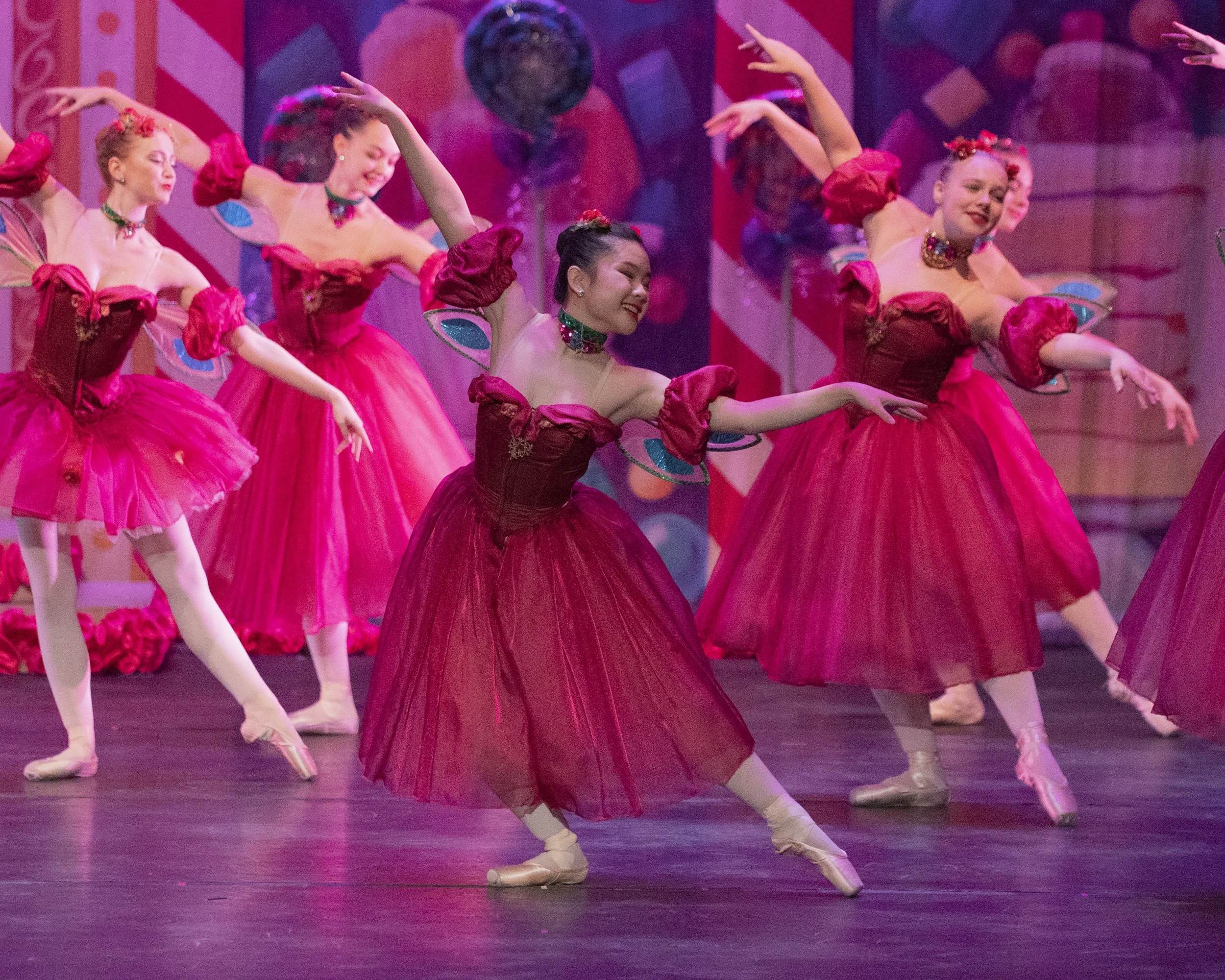
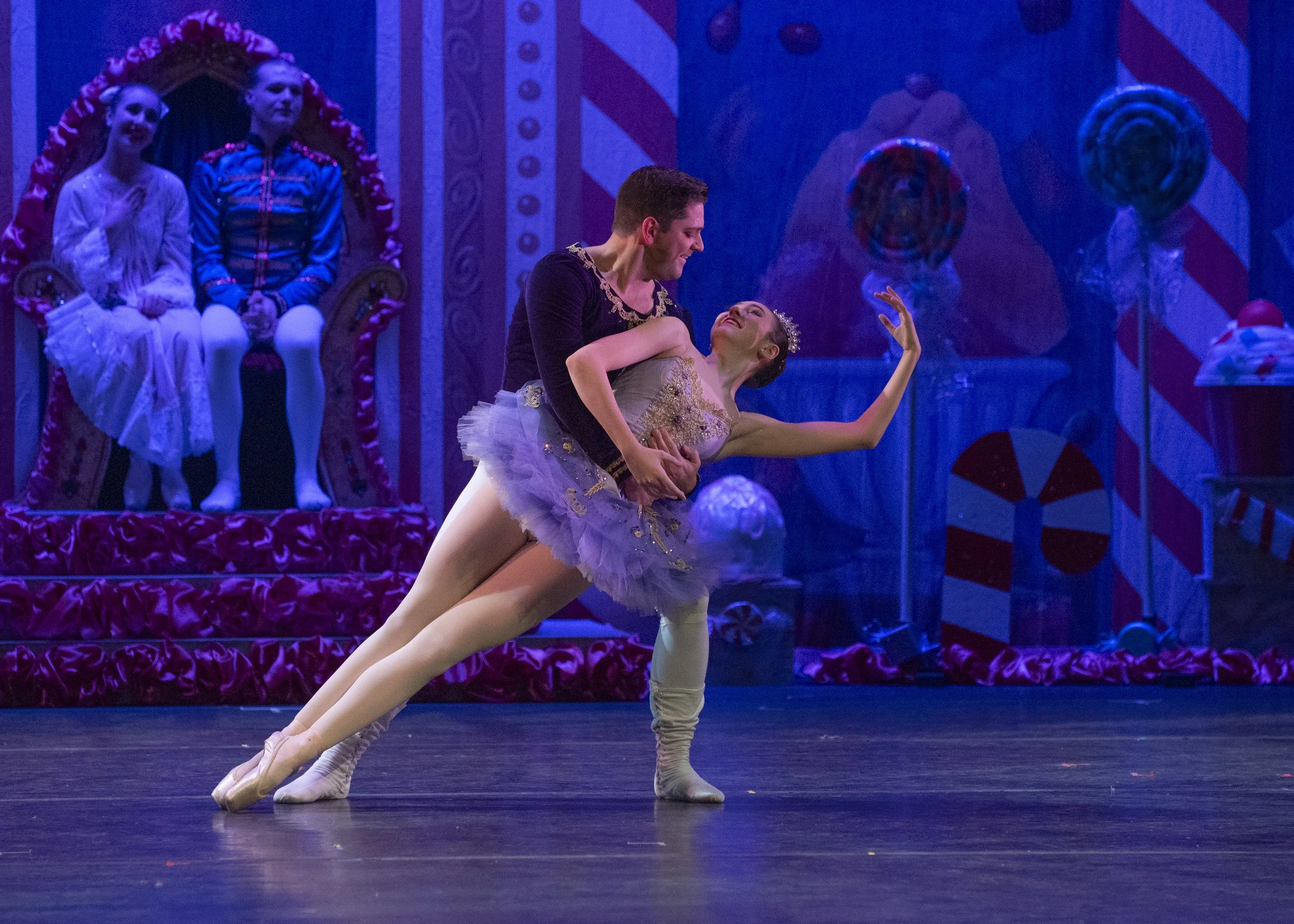
All dancers may perform in DDC’s June Showcase and are eligible to audition for DDC’s main stage productions, including The Nutcracker and the Annual Spring Gala.
Dancers ages 9 and up may audition for one of DDC’s performing groups:
Youth Dance Ensemble (typically ages 9–13)
Performing Company (typically ages 13 and up)
Membership requires a formal audition, enrollment in required technique classes, strong attendance, commitment to additional rehearsals, and a signed Company Agreement. Performing group members represent DDC in performances, festivals, and community events throughout the season.